
Thyroidectomy
in Atlanta, GA
Robotic Surgery for Thyroid Conditions
Understanding Thyroid Surgery

Thyroid nodules affect more than 1 in 5 people—especially women and older adults—making thyroid surgery a common step in long-term care and prevention.
-Dr. Hyunsuk Suh, MD
Thyroidectomy Techniques by Dr. Suh
Featuring Advanced Robotic and Minimally Invasive Approaches
BABA Robotic Surgery
The Bilateral Axillo-Breast Approach (BABA) is a breakthrough in minimally invasive thyroid surgery. This technique allows surgeons to fully leverage robotic technology to meticulously dissect cancerous tissue while preserving vital structures such as the vocal nerves and parathyroid glands, which are essential for voice and calcium regulation.
Transaxillary SP Robotic Surgery
Thyroid Diseases We Address
Thyroid Cancer
Thyroid Nodules
Thyroid Goiters
Hypothyroidism
Hyperthyroidism
Severe Refractory Hyperthyroidism
Graves’ Disease
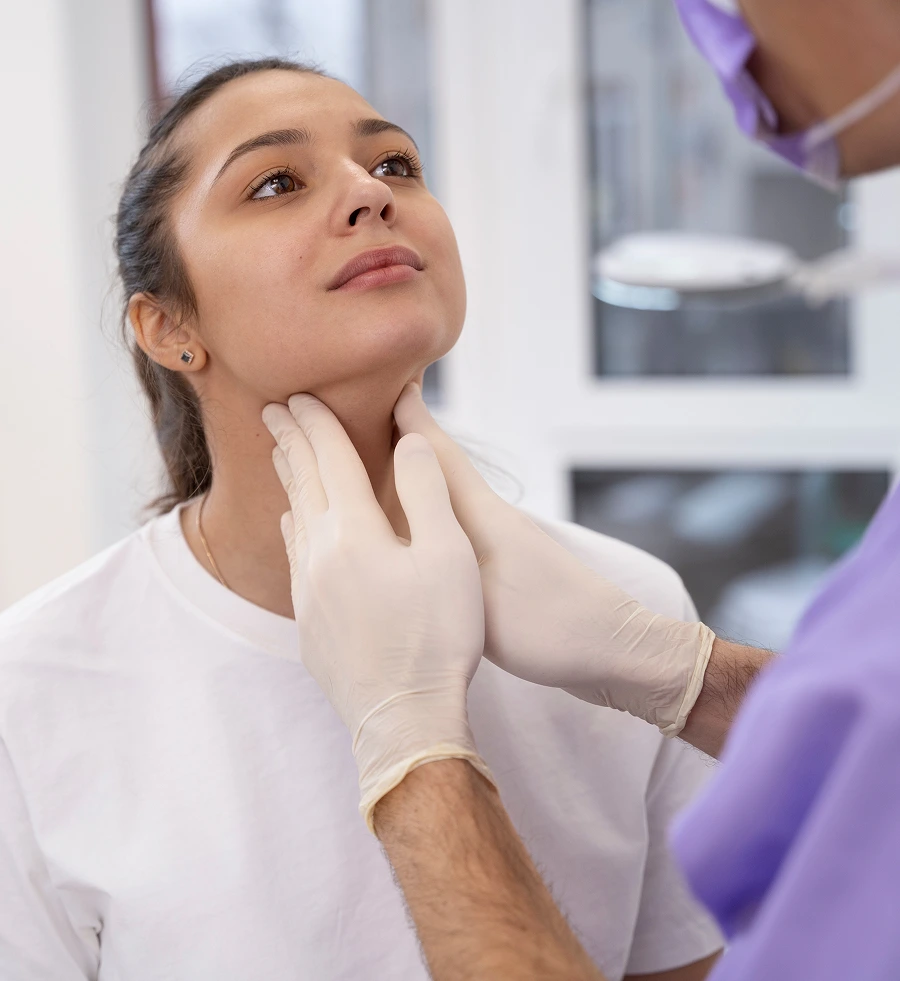
What to Expect From Robotic Surgery
1.
Personalized Consultation
1.
Personalized Consultation
2.
Pre-Op Planning
2.
Pre-Op Planning
3.
Surgery Day
3.
Surgery Day- You’ll be under general anesthesia throughout the procedure
- Dr. Suh performs the surgery using either a robotic or conventional technique tailored to your case
- The operation typically lasts 1–3 hours, depending on complexity
- You’ll recover in a monitored post-op area for a few hours
- Most patients return home the same day with detailed aftercare instructions
4.
Aftercare and Support
4.
Aftercare and Support- We monitor your recovery and healing process closely
- Light activity for 1–2 weeks (no strenuous activity is allowed)
- Thyroid hormone levels are tested and balanced if needed
- Pathology results are reviewed in detail
- Ongoing plans are discussed if cancer is presen
1.
Personalized Consultation
1.
Personalized Consultation
2.
Pre-Op Planning
2.
Pre-Op Planning
3.
Surgery Day
3.
Surgery Day- You’ll be under general anesthesia throughout the procedure
- Dr. Suh performs the surgery using either a robotic or conventional technique tailored to your case
- The operation typically lasts 1–3 hours, depending on complexity
- You’ll recover in a monitored post-op area for a few hours
- Most patients return home the same day with detailed aftercare instructions
4.
Aftercare and Support
4.
Aftercare and Support- We monitor your recovery and healing process closely
- Light activity for 1–2 weeks (no strenuous activity is allowed)
- Thyroid hormone levels are tested and balanced if needed
- Pathology results are reviewed in detail
- Ongoing plans are discussed if cancer is present

Recovery After Minimally Invasive Thyroidectomy
Recovery after minimally invasive thyroidectomy is generally smooth and well-tolerated, with many patients returning to normal activities within a few weeks. Our advanced techniques are designed to minimize scarring by avoiding large neck incisions, significantly reducing the risk of an unsightly scar. Instead, incisions are placed in discreet areas such as the armpit or chest folds, helping patients heal with greater comfort and confidence in their appearance.
Aftercare Tips:
Managing Hormone Levels
Aftercare following thyroid surgery includes regular monitoring and support to help replace the function your thyroid previously provided. The primary treatment involves thyroid hormone replacement therapy with medications like levothyroxine, which our care team will carefully adjust based on follow-up blood tests. If the parathyroid glands were affected during surgery, you may experience low calcium levels, requiring calcium supplementation and vitamin D to increase intestinal absorption of calcium and prevent complications like muscle cramps or tingling. Our care team will guide you on appropriate hormone replacement medications, calcium, and vitamin D supplements if needed, and regular follow-up tests to monitor your thyroid hormone levels, calcium levels, and overall recovery.
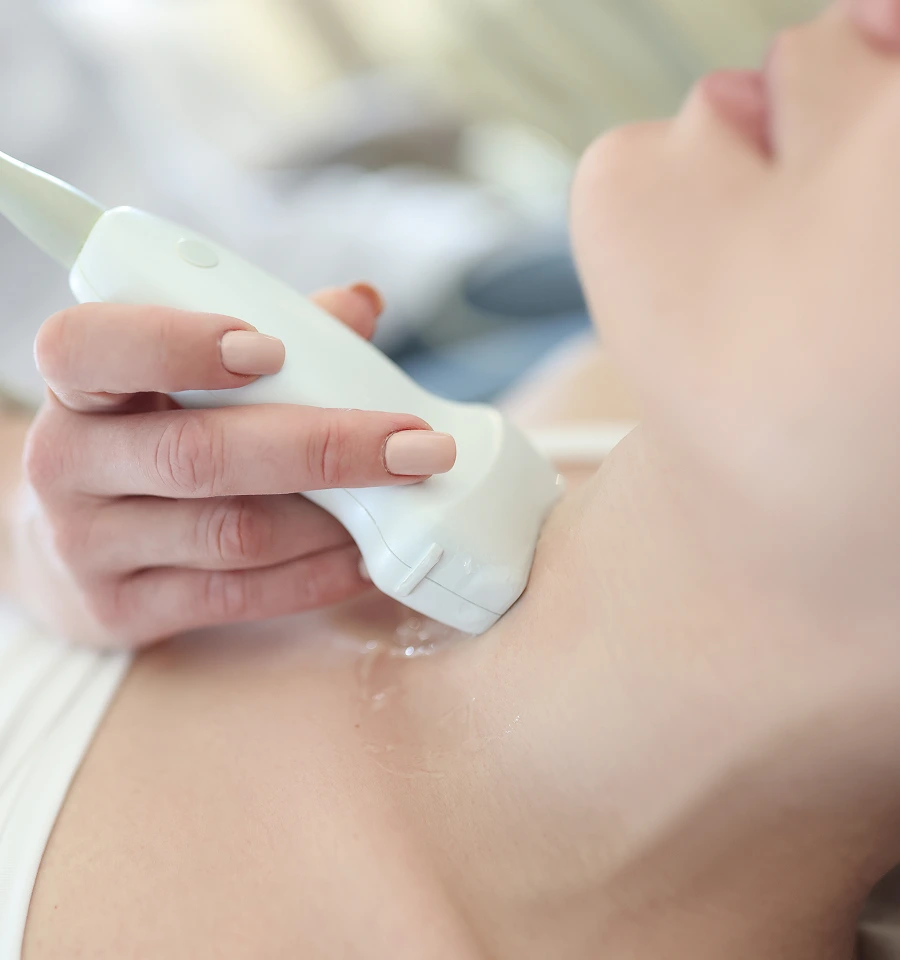
Candidates for Thyroidectomy
Understanding who qualifies for thyroidectomy can help patients make informed decisions in collaboration with their healthcare team. Dr. Suh recommends thyroid surgery based on a careful review of symptoms, test results, and medical history. Candidates typically fall into one or more of the following groups:
- Individuals with confirmed or suspected thyroid cancer
- Patients experiencing persistent thyroid problems despite medication
- Those with large goiters causing discomfort or pressure
- People with thyroid nodules that raise concern during evaluation
- Individuals showing signs of decreased function (their thyroid works abnormally)
- Patients with severe or refractory hyperthyroidism
- Cases involving autoimmune disorders impacting thyroid balance
- Those whose medical history indicates a higher risk of complications without surgical intervention

Benefits of Robotic Thyroidectomy
- Shorter recovery time
- Minimal visible scarring
- Less postoperative pain
- Improved ability to swallow or breathe
- More precise removal with less surgical dissection
- Better management of hormone-related symptoms
- Enhanced quality of life for appropriate cases
- Reduced need for a breathing tube in some instances
- Thyroid function generally recovers with appropriate hormone management
Cost of Thyroidectomy in Atlanta, GA
The cost of thyroidectomy in Atlanta ranges from $6,000 to $14,000, depending on the surgical approach, facility fees, and whether robotic technology is used. While insurance may cover some of the procedure for patients with specific thyroid problems, out-of-pocket costs can vary widely. It’s important to consider that less surgical dissection and advanced techniques may reduce overall treatment time and lead to less postoperative pain, potentially influencing total expenses.
Review your medical history with our experienced surgeons to determine the most appropriate and cost-effective surgical plan.

Risks and Considerations
What You Should Know
Thyroid surgery complications are generally low and often temporary:
- Voice nerve injury (usually temporary)
- Parathyroid gland injury leading to hypoparathyroidism
- Bleeding (rare but potentially life-threatening)
Next-Gen Endocrine Surgery. Trusted Expertise.
Our practice stands out due to a rare fusion of visionary leadership and groundbreaking techniques, rooted in a commitment to precision and innovation. Dr. Hyunsuk Suh, a thyroid surgeon trained through a prestigious Endocrine Surgery Fellowship and robotic surgery fellowships across top global institutions, uses his decades of expertise to redefine what surgery can achieve. With a foundation built at Emory University and further refined at Harvard-affiliated Massachusetts General Hospital, his approach transcends conventional methods, pioneering procedures like the bilateral axillo-breast approach (BABA) that push the boundaries of minimally invasive care. Our clinic embodies a seamless blend of research, technical mastery, and patient-centered outcomes. Connect with Dr. Suh and explore your options through a practice where science meets surgical artistry.
FAQs About Thyroid Gland Surgery
What is the parathyroid gland, and how is it related to the thyroid gland?
In what cases do we need to combine thyroid and parathyroid surgery?
Thyroid and parathyroid surgeries are combined when conditions affect calcium physiology and are accompanied by thyroid abnormalities. Because the parathyroid glands are small glands located close to or within the thyroid, surgeons must consider both during certain operations. The length of the incision depends on whether these two glands are involved. A more extensive procedure may require a larger incision to access the thyroid and parathyroids safely.
Is surgery the best solution for advanced thyroid conditions?
Is robotic thyroidectomy safe?
In what cases is GI surgery needed before thyroidectomy?
Can the adrenal gland be affected after thyroidectomy?
While the adrenal gland is a separate endocrine organ, it produces essential hormones that help regulate the stress response, blood pressure, and metabolism. Generally, thyroidectomy does not directly affect the adrenal gland. However, we monitor overall endocrine balance since the body’s hormone systems are interconnected.