
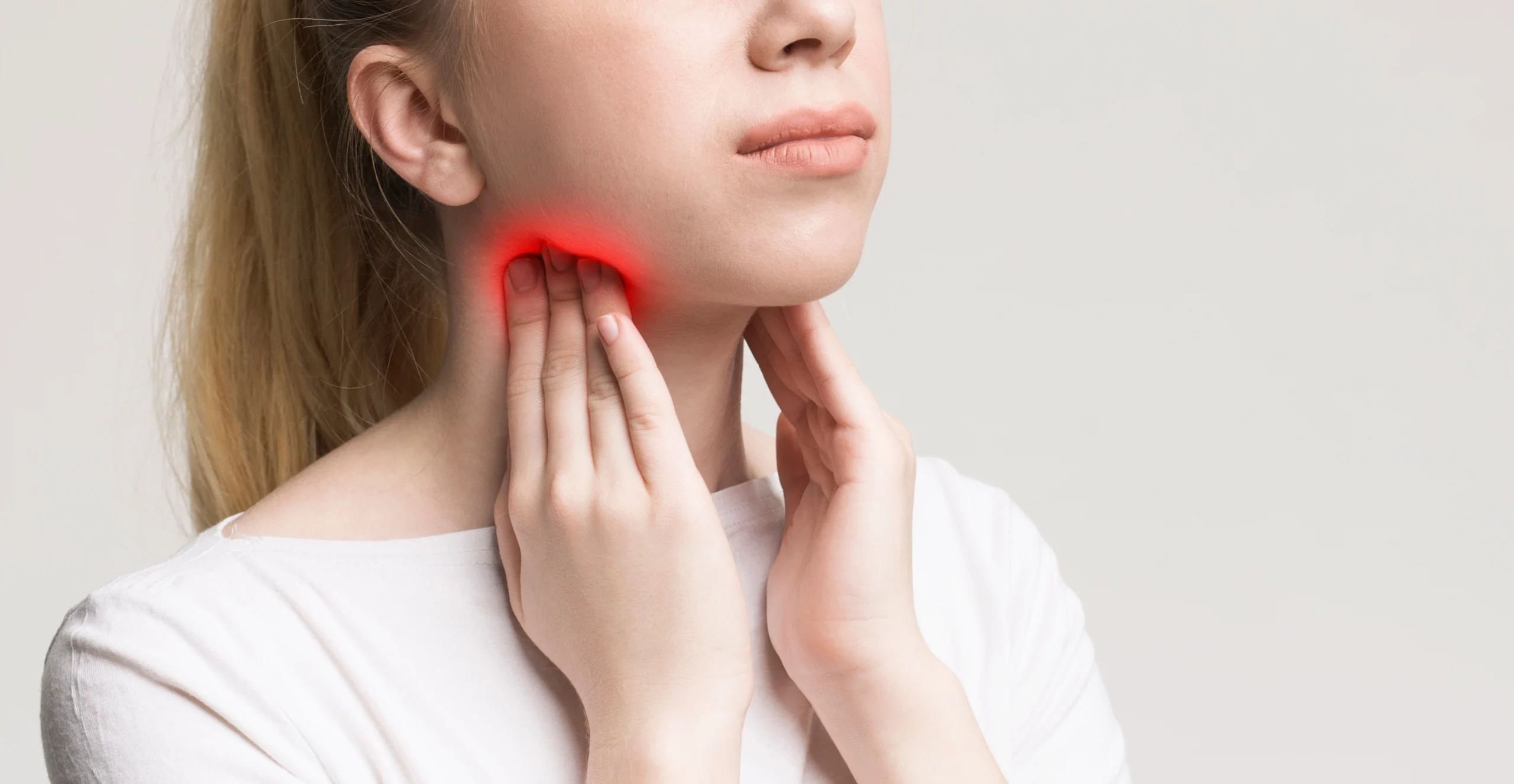
Understanding How Cancer Cells Develop in the Thyroid Gland
The thyroid gland produces hormones that control essential body functions, and like all organs, it’s made up of millions of cells that normally grow, divide, and die in an orderly fashion. Thyroid cancer begins when the DNA in thyroid cells becomes damaged, causing them to multiply uncontrollably and evade normal cell death. These cancer cells accumulate to form a tumor, which may remain confined to the thyroid or potentially spread to nearby lymph nodes and other parts of the body.
There are several types of thyroid cancer, with papillary thyroid cancer being the most common, accounting for about 80% of cases. Follicular thyroid cancer is the second most common type, while medullary and anaplastic thyroid cancers are rarer but more aggressive forms. Each type behaves differently and requires tailored treatment approaches.
Risk Factors That Increase Your Cancer Risk
Understanding what elevates your cancer risk can help you stay vigilant about screening and early detection. Several factors contribute to an increased risk of developing thyroid cancer, though having one or more risk factors doesn’t guarantee you’ll develop the disease.
Factors That Create an Increased Risk
1. Radiation Exposure
Radiation exposure is one of the most significant risk factors. People who received radiation treatments to the head, neck, or chest during childhood – which was common for treating acne, tonsillitis, and other conditions decades ago – face a higher likelihood of developing thyroid cancer. Living near nuclear accidents or fallout areas also increases exposure risk.
2. Gender and Age
Gender and age also play essential roles. Women are three times more likely than men to develop thyroid cancer, though researchers aren’t entirely sure why. The disease can occur at any age but is most commonly diagnosed in women in their 40s and 50s, and in men in their 60s and 70s.
3. Family History and Genetic Factors That Create High Risk
Family history significantly impacts thyroid cancer susceptibility. If a first-degree relative – parent, sibling, or child – has had thyroid cancer, your risk increases substantially. Certain inherited genetic syndromes, including familial medullary thyroid cancer, multiple endocrine neoplasia types 2A and 2B, and familial adenomatous polyposis, create a high risk for specific types of thyroid cancer.
Genetic testing can identify mutations in genes like RET, which is associated with medullary thyroid cancer. People with these genetic markers may benefit from preventive measures, including prophylactic thyroid removal in some cases.
Average Risk Considerations
Even without specific risk factors, some people face an average risk due to general population trends. Being of Asian descent or having a diet very low or very high in iodine can slightly influence thyroid cancer development. Additionally, people with certain benign thyroid conditions, such as thyroid nodules or goiter, may have a marginally elevated risk, though most thyroid nodules are not cancerous.
Can You Prevent Thyroid Cancer?
The question of whether you can prevent thyroid cancer doesn’t have a straightforward answer. Unlike some cancers where lifestyle changes significantly reduce risk, such as quitting smoking to prevent lung cancer, thyroid cancer prevention is more limited because many risk factors are beyond our control.
However, you can take proactive steps to minimize your risk. Avoid unnecessary radiation exposure, particularly to the head and neck region. If you work in environments with radiation, ensure proper safety protocols are followed. For those with inherited genetic syndromes that create a significant risk, genetic counseling and prophylactic surgery may be options worth discussing with your healthcare provider.
Maintaining adequate iodine intake through a balanced diet supports thyroid health, though excessive supplementation isn’t recommended without medical guidance. Regular check-ups are essential, especially if you have multiple risk factors, as early detection dramatically improves outcomes even if prevention isn’t always possible.
Recognizing the Symptoms When Found Early
Many thyroid cancers produce no symptoms in their early stages, which is why the risk of thyroid cancer progressing undetected is a real concern. However, certain warning signs should prompt immediate medical evaluation:
- A lump or swelling in the neck, which is the most common first sign
- Changes in your voice, including persistent hoarseness
- Difficulty swallowing or a sensation of something stuck in your throat
- Pain in the neck or throat that doesn’t go away
- Swollen lymph nodes in the neck
- Persistent cough unrelated to a cold
When thyroid cancer is found early, treatment is significantly more effective and less invasive. Most thyroid nodules are discovered during routine physical exams or imaging tests performed for other reasons, which is why regular medical check-ups are valuable.
Diagnosis: From Initial Exam to Fine-Needle Aspiration
If your doctor discovers a thyroid nodule during an examination, several diagnostic tests will determine whether it’s cancerous. Blood tests check thyroid hormone levels and tumor markers, while ultrasound imaging provides detailed pictures of the nodule’s characteristics – size, shape, and whether it has features commonly associated with cancer.
The Role of Fine-Needle Aspiration
The gold standard for diagnosing thyroid cancer is fine-needle aspiration (FNA) biopsy. This minimally invasive procedure uses a thin needle to extract cells from the thyroid nodule, which are then examined under a microscope by a pathologist. The procedure typically takes just a few minutes, causes minimal discomfort, and can be performed in your doctor’s office with ultrasound guidance to ensure accurate sampling.
FNA results are classified into several categories, from benign to malignant, with some results falling into an indeterminate category that may require molecular testing or surgical removal for definitive diagnosis. This procedure is highly accurate and helps avoid unnecessary surgeries for benign nodules.
Treatment Options: Tailored to Your Specific Cancer
Treatment for thyroid cancer depends on the type, size, and stage of the cancer, as well as your age and overall health. Most treatment plans involve one or more of the following approaches:
- Surgery is the primary treatment for most thyroid cancers. A lobectomy removes one lobe of the thyroid, while a total thyroidectomy removes the entire gland. During surgery, nearby lymph nodes may also be removed if cancer has spread.
- Radioactive iodine therapy is commonly used after surgery to destroy any remaining thyroid tissue or cancer cells. The thyroid naturally absorbs iodine, so radioactive iodine specifically targets thyroid cells while sparing other tissues.
- Thyroid hormone therapy serves two purposes after treatment: it replaces the hormones your body needs if your thyroid was removed, and it can suppress TSH (thyroid-stimulating hormone), which may help prevent cancer recurrence.
- External radiation therapy and chemotherapy are reserved for aggressive cancers that don’t respond to other treatments, such as anaplastic thyroid cancer.
- Targeted therapy uses drugs that attack specific cancer cell abnormalities and is particularly useful for advanced cancers with specific genetic mutations.
Dr. Hyunsuk Suh and Advances in Robotic Thyroid Surgery
Surgical innovation has transformed thyroid cancer treatment, and Dr. Hyunsuk Suh stands at the forefront of robotic thyroid surgery. This minimally invasive approach uses robotic technology to remove thyroid tumors through small incisions hidden in less visible areas, such as the armpit or behind the ear, avoiding the traditional neck scar.
Dr. Suh’s expertise in robotic thyroid surgery offers patients numerous advantages: reduced scarring, less postoperative pain, shorter hospital stays, and faster recovery times. The robotic system provides surgeons with enhanced visualization and precision, allowing for meticulous removal of cancerous tissue while preserving critical structures like the parathyroid glands and vocal cord nerves.
This technique is particularly appealing for younger patients concerned about visible neck scars and for those with early-stage cancers who are appropriate candidates for this approach. Dr. Suh’s work demonstrates how technological advancement can improve both the medical outcomes and quality of life for thyroid cancer patients.
Living Well After Thyroid Cancer
Following treatment, regular monitoring is essential. You’ll need periodic blood tests, ultrasounds, and sometimes whole-body scans to check for recurrence. If your thyroid was removed, you’ll take daily thyroid hormone replacement medication for life, which is typically well-tolerated and allows most people to return to completely normal activities.
The prognosis for thyroid cancer is generally excellent. With appropriate treatment and follow-up care, the vast majority of patients lead full, healthy lives. Staying connected with your healthcare team, attending all follow-up appointments, and immediately reporting any new symptoms ensures the best long-term outcome.
Understanding thyroid cancer empowers you to recognize symptoms early, make informed decisions about your care, and approach treatment with confidence. While a cancer diagnosis is never welcome news, thyroid cancer’s high treatability offers genuine hope for a positive outcome.
Final Thoughts: So, What Is the Risk of Thyroid Cancer?
To ensure early detection, thyroid cancer specialists recommend regular physical examination of the neck area, particularly if you have risk factors or inherited genetic conditions that increase susceptibility. The butterfly-shaped gland that comprises your thyroid is part of the endocrine system that regulates everything from blood pressure to metabolism, making its health crucial to your overall well-being. Screening tests, including ultrasound and CT scans, can identify malignant thyroid nodules before symptoms like neck pain, neck swelling, or voice changes develop. For those at highest risk due to genetic mutations, prophylactic thyroidectomy – preventive removal of the thyroid – may be recommended to prevent differentiated thyroid cancer and other forms of thyroid carcinoma before cancer cells spread.
Whether you’re concerned about a related condition or simply want to understand head and neck cancer risks, knowledge is your most powerful tool. Our team provides extensive information on cancer types, and thyroid cancer screening guidelines continue to evolve based on the latest research. In certain radiation exposure scenarios, potassium iodide can offer protective benefits for the thyroid. Remember that successful treatment outcomes for thyroid cancer are among the highest of all cancers, and with vigilant monitoring and advances in medical technology, most patients achieve complete recovery. Stay informed, attend regular check-ups, and don’t hesitate to discuss any concerns with your healthcare provider – early action today can make all the difference in your thyroid health tomorrow.

About the Author
Dr. Hyunsuk Suh
Dr. Hyunsuk Suh is the visionary behind American Endocrine, recognized nationally as the premier robotic thyroid surgeon in the United States. With more than two decades of hands-on experience, Dr. Suh blends technical excellence, research-driven innovation, and heartfelt care to deliver outcomes that truly transform lives.
Empowering
Women’s Health
By Dr. Hyunsuk Suh, MD
December 31, 2025