
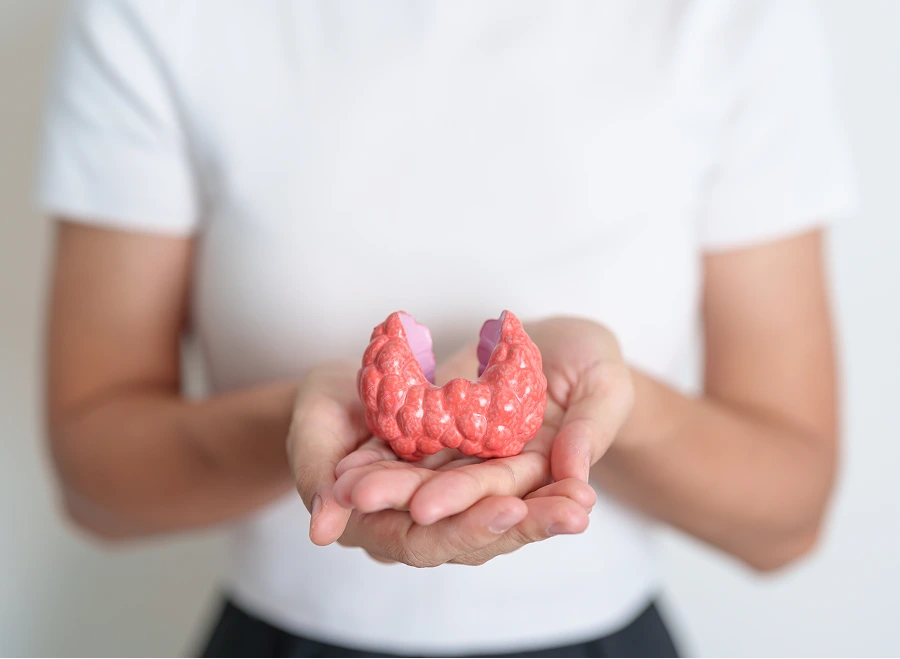
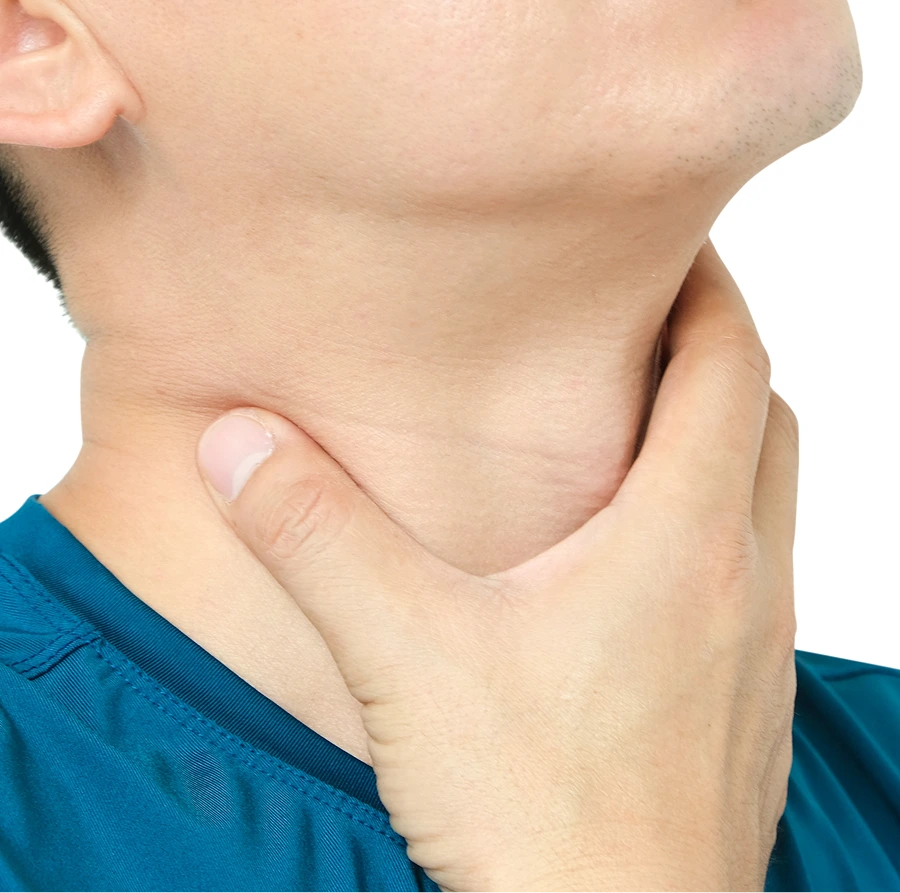
Thyroid nodules are common growths that develop within the thyroid gland, a butterfly-shaped organ located at the base of your neck. While most thyroid nodules are benign (non-cancerous), some can cause symptoms due to their size or, in rarer cases, be malignant. Understanding these growths is the first step toward effective management and treatment.
The thyroid gland plays a vital role in regulating numerous bodily functions through the hormones it produces. These hormones influence metabolism, energy levels, body temperature, heart rate, and many other critical processes. Maintaining optimal thyroid health is essential for overall well-being.
Thyroid nodules can vary widely in their characteristics. They may be solid or fluid-filled (cysts), single or multiple, and can range from very small to quite large. The most common types include benign colloid nodules, follicular adenomas, and, less frequently, thyroid cancers. Accurate diagnosis is crucial to determine the appropriate treatment path.
American Endocrine provides a spectrum of treatment approaches for thyroid nodules, ranging from conservative management to advanced minimally invasive procedures and surgical interventions. Our goal is to offer effective solutions that address your specific condition while prioritizing your comfort and recovery.
Thyroid Radiofrequency Ablation (RFA) is a cutting-edge, minimally invasive procedure that uses precisely controlled radiofrequency energy to generate heat, effectively shrinking and destroying abnormal thyroid tissue, such as benign thyroid nodules. This technique offers a less invasive alternative to traditional surgery, particularly beneficial for symptomatic or cosmetically concerning nodules. Dr. Hyunsuk Suh, trained by a global leader in RFA, brings unparalleled expertise to this transformative treatment.
Ethanol ablation is a minimally invasive procedure primarily used for treating benign thyroid cysts. It involves injecting a small amount of ethanol (alcohol) directly into the cyst, causing it to shrink and often resolve. This technique can be an excellent option for patients seeking a non-surgical solution for fluid-filled nodules.
For certain thyroid conditions, surgical removal of all or part of the thyroid gland, known as a thyroidectomy, may be the most appropriate treatment. At American Endocrine, we specialize in advanced surgical techniques designed to optimize patient outcomes.
When considering treatment for thyroid nodules, patients often weigh RFA against traditional surgery. RFA is a needle-based procedure that typically results in no external scarring, a quicker recovery, and preservation of thyroid function. Surgery, while more invasive, may be necessary for larger nodules, suspected malignancies, or extensive goiters. Our specialists will thoroughly discuss the most suitable option for your individual case.
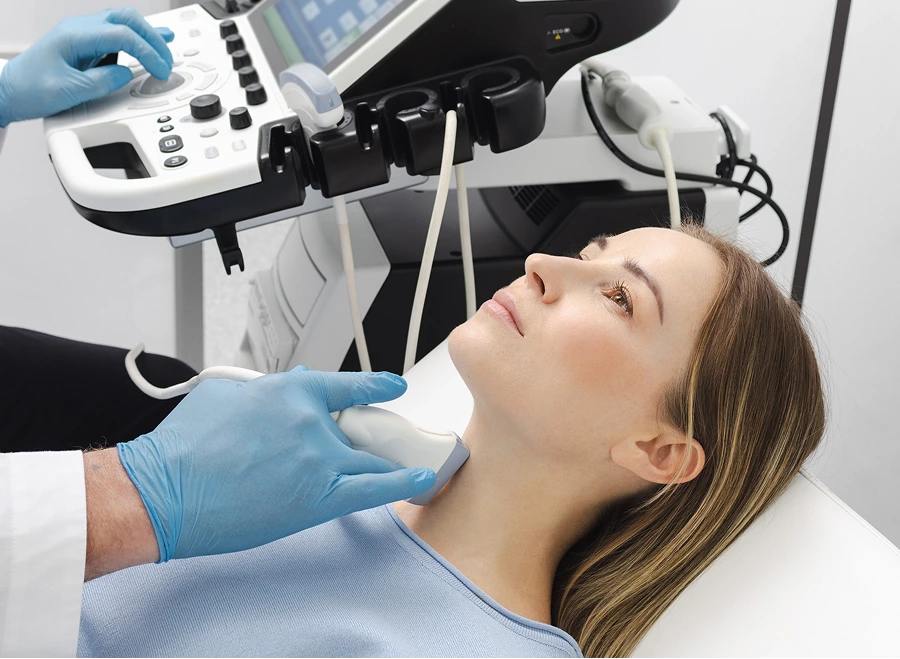
A crucial part of thyroid nodule management is accurately assessing the risk of cancer. This typically involves a thorough physical examination, blood tests, and imaging studies like an ultrasound. Fine Needle Aspiration (FNA) biopsy is often performed to analyze cells from the nodule and help determine if it is benign or malignant.
The RFA procedure is performed on an outpatient basis. After local anesthesia and mild sedation, a thin probe is guided into the nodule using ultrasound imaging. Radiofrequency energy then heats and destroys the targeted tissue. The treatment is typically well-tolerated, with most patients experiencing minimal discomfort. Here is a more detailed description of the procedure:
Before your RFA procedure, you’ll receive detailed instructions. This may include avoiding certain medications and ensuring all necessary forms and medical records (including recent lab results, imaging reports, and referrals) are submitted. The procedure is typically performed under local anesthesia with conscious sedation to ensure your comfort.
Under continuous ultrasound guidance, a specialized RFA electrode (probe) is precisely inserted into the thyroid nodule. Radiofrequency energy is then delivered through the probe, generating heat that ablates (destroys) the nodular tissue in a controlled manner. Our team meticulously monitors the process to protect the surrounding healthy tissue.
Once the targeted tissue has been fully treated, the probe is carefully removed, and a small bandage is applied to the insertion site.
Following RFA, most patients can return home the same day. You may experience some mild neck discomfort or swelling, which can be managed with over-the-counter pain relievers. Detailed discharge instructions, including information for recovery, will be provided via email.
After the RFA procedure, you will be monitored for a short period in our recovery area to ensure there are no immediate complications. Our team will provide care instructions and answer any questions you may have before you are discharged.
Long-term follow-up is essential after thyroid nodule treatment. We will schedule regular appointments to monitor the treated nodule’s shrinkage and ensure your thyroid function remains stable. This typically involves periodic ultrasounds and thyroid hormone level checks.
Minimally invasive treatments like RFA offer significant advantages over traditional surgery, including:

While RFA and other minimally invasive treatments are generally safe, all medical procedures carry potential risks. These can include temporary voice changes, minor bruising or swelling, and, rarely, infection or thermal injury to surrounding structures. Our team will discuss all potential risks with you in detail.
The cost of thyroid nodule treatment in Atlanta, GA and Tampa, FL, can range from $3,000 to $10,000, depending on the specific treatment plan, nodule characteristics, and individual patient needs. This estimate does not include potential insurance coverage or facility fees.
For a personalized quote and to understand your insurance benefits, please contact our office for a consultation. We accept BCBS Federal and Medicare, and our team will discuss your insurance coverage and financial responsibilities. Please note that accurate insurance information must be on file for scheduling procedures.
Choosing American Endocrine means entrusting your care to
professionals dedicated to precision, innovation, and patient well-being.
Led by Dr. Hyunsuk Suh, an endocrine surgeon specializing in robotic surgery and trained in cutting-edge RFA techniques, our practice offers world-class innovation in endocrine care.
We prioritize non-surgical and minimally invasive options such as RFA and robotic surgery to deliver less pain, a faster recovery, and superior cosmetic outcomes.
We understand that every patient is unique. Our team provides individualized treatment plans, ensuring you receive the most appropriate and effective care for your specific condition.
From your initial consultation to long-term follow-up, our Patient Care Coordinators guide you through every step, assisting with scheduling, forms, and coordinating necessary tests. Virtual and in-person appointments are available for your convenience.
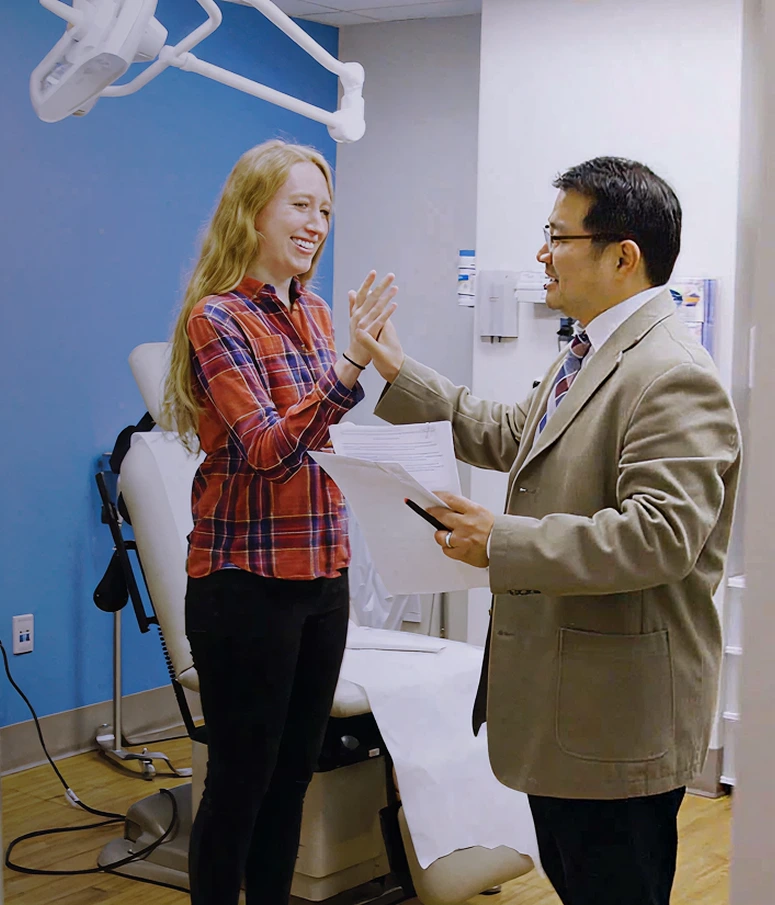
After your initial and medical consultation request forms are submitted and relevant medical records are received, a Patient Care Coordinator will contact you to schedule your appointment with Dr. Suh. Please ensure all required documentation, including referrals from an Endocrinologist or PCP, recent lab results, and imaging reports, are submitted at least 3 days prior to your scheduled appointment to avoid rescheduling.
Our office is located at 6335 Hospital Pkwy, Johns Creek, GA, in the medical arts building at Emory John’s Creek Hospital.
Take the next step toward better thyroid health by scheduling a consultation with our experienced team at American Endocrine. During your visit, we will review your medical history, evaluate your condition, and recommend a personalized treatment plan tailored to your needs and goals. Whether you are exploring minimally invasive options or require advanced surgical care, we are here to guide you with expertise, compassion, and a commitment to exceptional outcomes.
Providing comprehensive thyroid care, from diagnostics to personalized treatments, including minimally invasive surgeries.
Adrenal care extending from diagnostic evaluations to individualized medical therapies and modern surgery.