

For many people with a benign thyroid nodule that causes symptoms or visible swelling, RFA vs. Surgery for Thyroid Nodules: Which is Right for You? comes down to your diagnosis and goals. RFA shrinks benign nodules without an incision and usually preserves thyroid function, while surgery is often the right choice when a nodule is suspicious for cancer, very large, or growing into the chest. RFA is also a newly approved option for select thyroid cancers. Our team offers both, so we can recommend the approach that fits your nodule.
Thyroid nodules are lumps that form within the thyroid gland at the base of the neck. Most are benign. Some are filled with fluid, some are solid, and a few contain cancer cells.
Many nodules cause no symptoms and are found during an exam or imaging for another reason. Larger nodules can cause a visible lump, pressure in the neck, trouble swallowing, or a change in voice.
Diagnosis usually starts with a neck ultrasound. If a nodule looks concerning, a fine needle aspiration biopsy, called an FNA, checks its cells. Our diagnostic tests include both ultrasound and biopsy.
Small benign nodules that cause no problems often need only monitoring. When treatment is needed, the two main paths are non-surgical interventions such as RFA and surgical removal of part or all of the thyroid.
Surgery removes thyroid tissue, and some patients then need daily thyroid hormone medication. It also requires general anesthesia and an incision. For a benign nodule, many patients prefer a treatment that leaves the healthy gland in place.
Radiofrequency ablation is a minimally invasive treatment that targets the nodule directly. It does not require a neck incision.
Radiofrequency energy creates heat that destroys nodule tissue. Over the following months, the body gradually absorbs the treated tissue, and the nodule shrinks.
No incision and no neck scar
Healthy thyroid tissue is preserved
Most patients return to normal activities quickly
Thyroid hormone medication is usually not needed afterward
RFA shrinks the nodule over time, which relieves symptoms for many patients with benign nodules. Recovery after RFA is typically shorter. Surgery provides tissue for full pathology review, which matters when cancer is suspected. Your specialist will explain how each option applies to your specific case.
A lobectomy removes one side of the thyroid. A total thyroidectomy removes the entire gland. Hyunsuk Suh, MD, is an endocrine surgeon who specializes in robotic surgery. Our Tampa location offers scarless robotic thyroid surgery, which avoids a visible neck incision. Hyunsuk Suh reviews these factors with each patient during the planning process.
RFA often suits patients who:
Have a nodule confirmed benign by biopsy
Have symptoms such as pressure, swallowing trouble, or a visible lump
Want to avoid surgery or preserve thyroid function
Have a nodule that is accessible with ultrasound guidance
Some patients with select thyroid cancers may also qualify, as RFA is now an approved option in certain cases.
A confirmed diagnosis guides safe treatment. Location, size, and nodule type all affect how well RFA can shrink the tissue. Careful screening helps patients get results that match their goals.
Not qualifying for RFA does not mean you are out of options. Surgery, including robotic approaches, may be a better fit. Patients unsure about a past recommendation can request second opinions from our team.
RFA vs. Surgery for Thyroid Nodules: Which is Right for You? depends on your imaging, biopsy results, and goals. During a consultation, our team reviews your ultrasound and records, explains whether RFA or surgery fits your nodule, and outlines what recovery looks like. You leave with a clear plan tailored to your case.
RFA works well for many benign, symptomatic nodules and keeps the thyroid intact. Surgery remains the right choice for suspicious nodules, very large growths, and many cancers. If you are asking “RFA vs. Surgery for Thyroid Nodules: Which is Right for You?”, a review of your imaging and biopsy results with our team in Johns Creek, GA or Tampa is the next step.
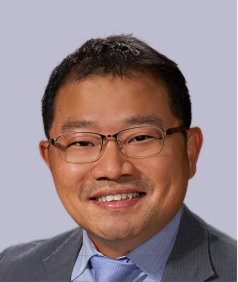
About the Author
Dr. Hyunsuk Suh, MD
With over two decades of surgical experience, Dr. Suh is a pioneer in robotic endocrine procedures. His groundbreaking work includes the first robotic bilateral approach (BABA) thyroidectomy and the first scarless lymph node neck dissection for advanced thyroid cancer. He has authored over 35 peer-reviewed articles and presented at more than 100 international conferences.
Empowering
Women’s Health

By Dr. Hyunsuk Suh, MD
October 5, 2026