

Travel for adrenal surgery when your imaging and hormone testing are complete, your diagnosis points to a mass that needs to come out, and the surgeon you want is one who operates on adrenal glands regularly. Many patients live far from a top specialist – and that distance is worth covering once your workup is finished and a date can be confirmed.
At American Endocrine, patients travel to our locations in Georgia and Florida from across the country to receive excellent care and enhance their health.
You have two adrenal glands, one sitting on top of each kidney. They are small – about the size of a walnut – but they produce hormones that regulate metabolism, blood pressure, blood sugar, salt balance, immune function, and your body’s stress response. When a growth forms on an adrenal gland, or a gland starts overproducing hormones, removal of the gland may be recommended. That operation is called an adrenalectomy.
Because the adrenal glands sit deep in the abdomen near major blood vessels, the kidney, liver, and spleen, adrenal surgery is technically demanding. Most adrenalectomies today are done through small incisions using laparoscopic or robotic techniques rather than a large open incision.
Surgery is typically recommended for adrenal tumors that are cancerous, suspected to be cancerous, or “functional” – meaning they produce excess hormones. Conditions that may require an adrenalectomy include:
Pheochromocytoma: A tumor producing excess adrenaline, leading to high blood pressure, headaches, palpitations, and episodes of racing heartbeat.
Cushing’s Syndrome: Caused by a tumor producing too much cortisol, resulting in weight gain, high blood sugar, and muscle weakness.
Conn’s Syndrome (Primary Aldosteronism): A tumor producing excess aldosterone, causing high blood pressure that will not respond to medication and low potassium.
Adrenal Cancer (Adrenocortical Carcinoma): A rare but aggressive cancer.
Large or Growing Masses: Non-functional tumors that are large (typically over 4–6 cm) or that have grown between scans are usually removed.
Suspicious Imaging Features: Certain characteristics on CT or MRI make a mass concerning enough that removal is recommended.
Cancer That Has Spread to the Adrenal Gland: Occasionally a tumor elsewhere seeds the adrenal, and removing it is part of the overall plan.
Many adrenal masses are found by accident – a scan for back pain or a kidney stone shows a spot on the gland. These “incidentalomas” are common, and plenty never need surgery. That is why testing comes before travel plans.
Many general surgeons perform only a few adrenalectomies per year. Traveling to a surgeon who focuses exclusively on endocrine operations ensures your procedure is handled by someone familiar with the nuances of adrenal disease.
Deciding when to travel for adrenal surgery comes down to five practical questions:
Is the workup finished? You need hormone testing and quality cross-sectional imaging before a surgeon can give you a real plan. Traveling before those results exist usually means traveling twice.
Do you have a referral and records in hand? American Endocrine requires a referral from an endocrinologist or primary care physician, plus recent labs, imaging reports and images (CT, MRI, ultrasound), prior endocrinology or surgical consultation notes, and biopsy results if applicable.
Is the surgery urgent or elective? A functioning tumor causing dangerous blood pressure swings moves faster than a small, stable, non-functioning adenoma.
Is your overall health stable? You need to be well enough for both travel and surgery. Pre-operative management for hormone-producing tumors is guided by our team.
Can you clear the calendar? This is not a same-day-fly-home procedure. Plan for a week or so of flexibility and someone available to travel with you.
All required documents and completed forms must be submitted at least three days before a scheduled appointment at American Endocrine – appointments are rescheduled if they arrive later than that.
Here is what makes traveling far more practical than it used to be: your first conversation does not have to happen in person.
Initial consultation. Virtual consultations let out-of-state patients review imaging and lab results with Dr. Hyunsuk Suh before booking a flight. Patients near our offices are encouraged to come in person.
Forms. Expect to complete two – the initial (consultation request) form and the medical form. Prompt completion prevents delays in your care.
Scheduling. Once forms and records are received and reviewed, a patient care coordinator calls you to confirm a date and time.
Reasons to move sooner:
Blood pressure that stays high despite multiple medications, pointing to a hormone-producing tumor
Symptoms worsening month over month, or severe symptoms from hormone overproduction
A mass that has grown noticeably between two scans
Imaging features your surgeon flags as highly suspicious for cancer
Reasons it is reasonable to wait:
Hormone testing is incomplete, or results are ambiguous
An active infection or unrelated medical issue your physician wants stabilized first
Medications need adjusting – some hormone-secreting tumors require a period of medical preparation to control hormone levels and blood pressure, making the operation safer
You cannot yet arrange a travel companion or enough time away from work
Most adrenalectomies performed by Dr. Suh are laparoscopic or robotic, using small incisions for a faster recovery. Preparation typically includes:
Preoperative clearance. Your primary care physician provides a report confirming you are cleared for anesthesia and surgery. A PCP report is required for scheduling.
Medication review. Bring a complete list, including supplements, so your team can advise what to continue and what to pause.
Blood pressure and hormone control. For certain adrenal tumors, medications begin well before the operation date.
Bloodwork and imaging. Any repeat labs or scans should be completed and submitted ahead of time.
Insurance and pharmacy details. Accurate insurance information and your preferred pharmacy are part of the required paperwork.
In the two to three weeks before your trip:
Confirm your surgery date. For procedures at our Johns Creek location, the final date is confirmed by the Emory scheduling team.
Confirm all follow-up appointments as well – confirmation requires a reply, not silence.
Line up a travel companion who can drive, carry bags, and sit through discharge instructions with you.
Stop nicotine if you use it. Healing goes better without it.
Arrange time off – plan for more days than you think you need.
Pre-fill your fridge and freezer so you are not shopping the day you get back.
Johns Creek office: In the medical arts building at Emory Johns Creek Hospital, 6335 Hospital Pkwy, Johns Creek, GA – easy to navigate on the day of surgery.
Wesley Chapel office: 2895 Hueland Pond Blvd, Wesley Chapel, FL.
Book lodging close to where your surgery is taking place – a short ride matters more than you expect on discharge day.
Choose a hotel with a shuttle or easy rideshare access, ideally with a small kitchen.
Book a flexible or refundable return flight. Discharge timing cannot be promised to the hour.
Arrive a day or two before your procedure and plan to stay several days after for post-operative monitoring.
Request an aisle seat for the flight home and get up to walk when it is safe.
Keep documents together: photo ID, medication list, referral, imaging reports, and your surgeon’s contact information.
Follow eating and drinking instructions exactly – usually nothing after midnight, but follow what your team specifies.
Take only the medications you were told to take.
Shower as instructed and skip lotions, perfumes, and makeup.
Pack a small bag: loose button-front or zip-front top, elastic-waist pants, slip-on shoes, phone charger, glasses, toothbrush, toiletries, and your medication list.
Leave jewelry and valuables at the hotel.
Confirm your arrival time and who is dropping you off.
Go to bed early. Set two alarms.
You will arrive at the hospital several hours before your scheduled operation. Check-in involves confirming your identity, your procedure, and your consent forms. You will change, have an IV placed, meet the anesthesia team, and see Dr. Suh before going back. The surgery itself typically lasts a few hours.
Your companion should plan to stay in the waiting area with a charged phone and expect that timing may shift. Afterward, you will spend time in the recovery area before moving to a hospital room.
Most patients having minimally invasive adrenal surgery stay one to two nights for observation, and our team manages pain and monitors recovery closely. Discharge instructions are sent by email and cover wound care, medications, activity limits, diet, and warning signs – read them carefully rather than skimming them in the car.
Walk short distances in the first days after surgery.
Take pain medication as directed rather than waiting until you are uncomfortable.
Keep incision sites clean and dry per your instructions.
Avoid lifting anything heavy until you are cleared.
Follow-up typically includes a wound check, review of pathology results, repeat hormone testing, and medication adjustments. Telehealth visits make this manageable for traveling patients – you may not need to fly back for every check-in.
Dr. Suh will advise when it is safe to travel home – for most patients, a few days after discharge. When you do travel:
Walk the aisle or terminal periodically and stay hydrated to prevent blood clots.
Keep medications in your carry-on with a printed list.
Pack a copy of your discharge instructions and operative report.
Have someone meet you at the airport rather than driving yourself.
Give your local physician and endocrinologist copies of everything so care continues seamlessly at home.
Expect to build back gradually. Fatigue for a couple of weeks is normal. If you had a hormone-producing tumor, some symptoms improve quickly while others take months to settle.
Knowing when to travel for adrenal surgery comes down to readiness rather than distance. Once your hormone testing and imaging are complete, your referral and records are submitted, and a surgeon who operates on adrenal glands routinely has reviewed your case, travel becomes the straightforward part.
Start with a virtual consultation, submit your paperwork at least three days ahead, plan for a longer stay than you think you need, and bring someone with you.
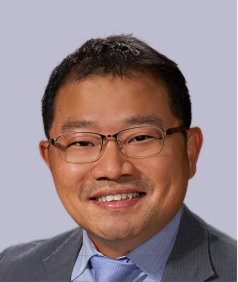
About the Author
Dr. Hyunsuk Suh, MD
With over two decades of surgical experience, Dr. Suh is a pioneer in robotic endocrine procedures. His groundbreaking work includes the first robotic bilateral approach (BABA) thyroidectomy and the first scarless lymph node neck dissection for advanced thyroid cancer. He has authored over 35 peer-reviewed articles and presented at more than 100 international conferences.
Empowering
Women’s Health

By Dr. Hyunsuk Suh, MD
August 4, 2026